Buddy robotics Buddy robotics

Difference Between Robots and Remote Control Toys Explained?

Time:2026-08-12 Author:Ethan
0%

In the evolving landscape of technology, understanding the question "What is the difference between a robot and a remote control toy?" is crucial for consumers and enthusiasts alike. According to a 2022 report by the International Federation of Robotics, the global market for robotics is expected to reach $210 billion by 2025. This indicates a growing interest in robots, which possess autonomous capabilities, unlike remote control toys that require manual operation.

Dr. Emily Carter, a robotics expert, emphasizes the distinction: "Robots are designed to perform tasks automatically, while remote control toys are simply manipulated by users." This highlights the functional divide between the two. Robots often incorporate advanced technologies such as AI and sensors, enabling them to interact with their environment. In contrast, remote control toys rely on simple radio frequency signals.

Understanding these nuances is vital as the industry develops. The potential for robotics in sectors like healthcare and manufacturing is significant. However, many still confuse these two categories, leading to misconceptions. These distinctions not only take shape in the way they operate but also in their applications and market presence. As technology continues to advance, these definitions will likely evolve further, prompting a deeper reflection on their roles in our daily lives.
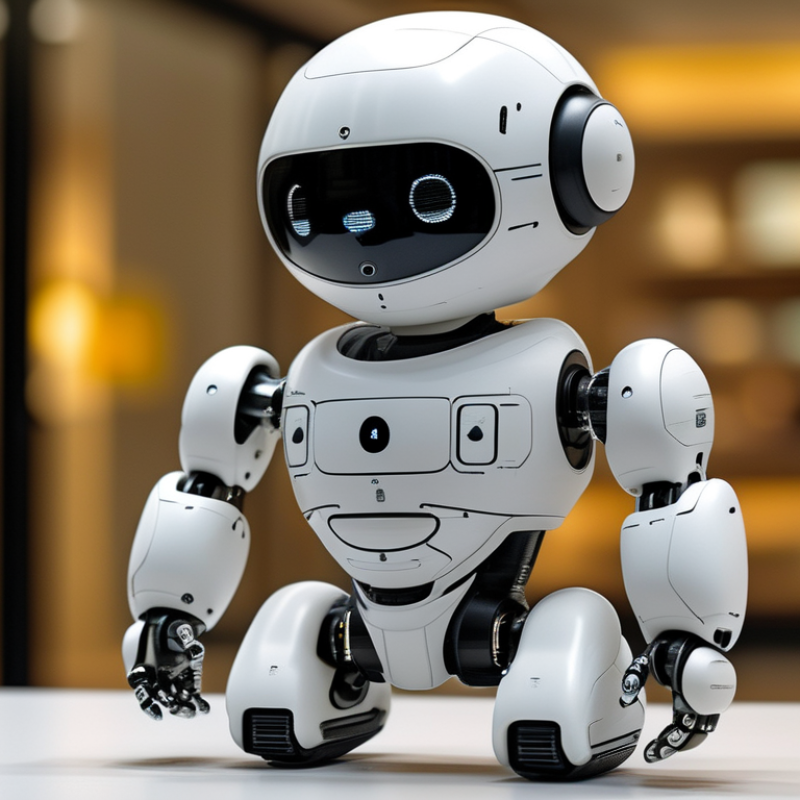
Difference Between Robots and Remote Control Toys Explained?

Definition of Robots and Remote Control Toys

When we examine the definitions of robots and remote control toys, a clear distinction emerges. Robots are self-operating machines designed to perform tasks automatically or with minimal human intervention. They utilize sensors, actuators, and artificial intelligence to complete various functions. For example, a robot can carry out complex tasks like assembling products in factories or exploring distant planets. Their capabilities often extend beyond basic movements, making them versatile tools in diverse fields.

Remote control toys, on the other hand, are operated by a human using a remote device. They require constant user input for navigation and control. These toys can be anything from cars to drones, providing entertainment and engagement. Their operation hinges on the remote connection, which limits autonomy. Users enjoy the immediate feedback of controlling these toys but do not experience the same advanced functionality that a robot offers.

Often, the line between these two types of machines can blur. Some remote control toys integrate simple robotic features, leading to overlapped classifications. This reality invites discussions about technology's evolution and its implications. As advancements continue, defining these categories will become increasingly challenging. Users should reflect on what they truly seek in technology: autonomy or control.

Difference Between Robots and Remote Control Toys

This chart illustrates the comparison between robots and remote control toys based on five key dimensions: Autonomy, Complexity, Functionality, Usage, and Interactivity. The ratings reflect how each category is perceived on a scale from 1 to 10.

Key Differences in Functionality Between the Two

Robots and remote control toys serve different purposes, which affects their functionality. Robots are often designed for tasks. They can perform complex activities like assembling products or navigating environments. These machines use sensors and artificial intelligence to adapt and learn. This makes them capable of working independently or alongside humans.

Remote control toys are primarily for entertainment. They provide a fun way to engage users, often requiring direct control. These toys typically lack advanced features like autonomous movement or learning capabilities. Their operation revolves around manipulating a controller to maneuver the toy. This simplicity appeals to children and hobbyists alike.

While both toys and robots can be enjoyable, their complexity differs significantly. Robots may surprise users with unpredictable behaviors. This can frustrate if expectations are high. Understanding each type will help consumers choose based on their needs. Whether for play or productivity, both options have unique merits.

Types of Technologies Used in Robots vs. Remote Control Toys

When exploring the technologies behind robots and remote control toys, clear distinctions emerge. Robots often use complex algorithms and sensors. These allow them to navigate spaces autonomously. They can adapt to their environment and respond to stimuli. In contrast, remote control toys rely on simpler radio signals. Users direct their movements from a distance, with limited autonomy.

In robotics, technologies like artificial intelligence and machine learning are common. These innovations enable robots to learn and improve over time. They can perform tasks like sorting objects or assisting in surgeries. Remote control toys, however, lack this sophistication. They provide immediate feedback but don't learn from interactions. This difference impacts user experience profoundly.

Despite their simplicity, remote control toys can be fun and engaging. They often foster creativity in play. However, one might wonder if they offer lasting educational value. Robots, with their capable technologies, can inspire future engineers and scientists. Yet, the complexity can be overwhelming for beginners. Balancing fun and learning is essential in both realms.

Applications and Use Cases for Robots and Remote Control Toys

Robots and remote control toys serve different purposes in various fields. Robots are designed for tasks ranging from industrial work to medical assistance. In factories, robots assemble products with precision. In healthcare, robotic arms assist in surgeries, improving outcomes. These applications demonstrate how automation enhances efficiency in critical areas.

Remote control toys, on the other hand, focus on entertainment and leisure. Kids often enjoy operating small cars or drones in open spaces. These toys can develop motor skills and provide great fun but lack advanced functionality. They are usually simpler and less expensive than robots. However, remote control toys can introduce children to the basics of robotics.

Tips: When choosing between the two, consider the intended use. If educational value is a priority, opt for a programmable robot. This choice encourages problem-solving and creativity. For a simple and fun experience, remote control toys can be a good fit. Remember, the level of complexity in activities should match the age of the user. Using robots might require a learning curve, while remote control toys are often more intuitive.

Benefits and Limitations of Each Category

Robots and remote control toys serve different purposes. Understanding their benefits and limitations can help you choose the right option for your needs.

Robots typically offer more advanced features. They can perform tasks autonomously. Many are equipped with sensors and artificial intelligence. This leads to a more engaging experience. However, they can be more expensive and complex to operate. If you want versatility, a robot may be the better choice.

On the other hand, remote control toys are simpler and often more affordable. They provide instant fun without much setup. Many people enjoy the ease of use with these toys. But they often lack advanced features, limiting their capabilities. Consider your interests when selecting a toy.

**Tip:** Before purchasing, think about what you want to achieve. Are you looking for entertainment or learning opportunities?

When considering features, remember that more isn’t always better. A simple toy can often bring just as much joy. Reflect on your childhood experiences for inspiration. Choose what resonates with you personally.

Difference Between Robots and Remote Control Toys Explained

Category Definition Benefits Limitations
Robots Autonomous or semi-autonomous machines that can perform tasks Can operate independently, often equipped with sensors Can be complex and expensive to develop
Remote Control Toys Toys that can be controlled from a distance using a remote Typically more affordable and easier to use Limited in functionality and requires a direct line of sight

FAQS

: What is the primary function of robots?

: Robots are designed for tasks, performing complex activities like assembling products or navigating environments.

How do robots adapt to their surroundings?

Robots use sensors and artificial intelligence to learn and adapt, allowing them to navigate spaces autonomously.

What is the main purpose of remote control toys?

Remote control toys are designed primarily for entertainment, engaging users through direct control.

How do remote control toys operate?

They rely on radio signals controlled by the user, offering limited autonomy and requiring direct maneuvering.

What technologies are commonly used in robots?

Robots often utilize complex algorithms, artificial intelligence, and machine learning to perform tasks and improve over time.

Do remote control toys provide educational value?

While they can be fun and engaging, the educational value of remote control toys may not be lasting.

Why might robots frustrate some users?

Robots can exhibit unpredictable behaviors, which may lead to frustration if expectations are too high.

Can remote control toys foster creativity?

Yes, remote control toys can inspire creativity in play despite their simpler design.

What challenges do beginners face with robots?

The complexity of robots can be overwhelming for beginners, necessitating a balance between fun and learning.

How do the experiences of using robots and remote control toys differ?

Robot experiences are often more complex and learning-oriented, while remote control toys are simpler and focused on entertainment.

Conclusion

What is the difference between a robot and a remote control toy?" This question delves into the fundamental distinctions between these two categories of technology. Robots are typically autonomous or semi-autonomous devices designed to perform specific tasks using advanced technology, including artificial intelligence and sensors. In contrast, remote control toys are generally operated manually via a remote control, lacking the ability to perform independent actions.

The key differences in functionality lie in autonomy and complexity; robots can carry out tasks with minimal human intervention, while remote control toys require direct input for operation. Additionally, robots employ sophisticated technologies such as machine learning and robotics engineering, whereas remote control toys often rely on simpler remote control mechanisms. Each category has its own applications: robots are used in industries like manufacturing and healthcare, while remote control toys mainly serve entertainment purposes. Ultimately, understanding these differences highlights the varied benefits and limitations associated with each type of technology.

Ethan

Ethan

Ethan is a seasoned marketing professional with a deep expertise in our company's innovative product line. With a passion for sharing knowledge and insights, he takes the lead in regularly updating our corporate blog, where he explores industry trends, product features, and effective marketing......